



Embedded Systems
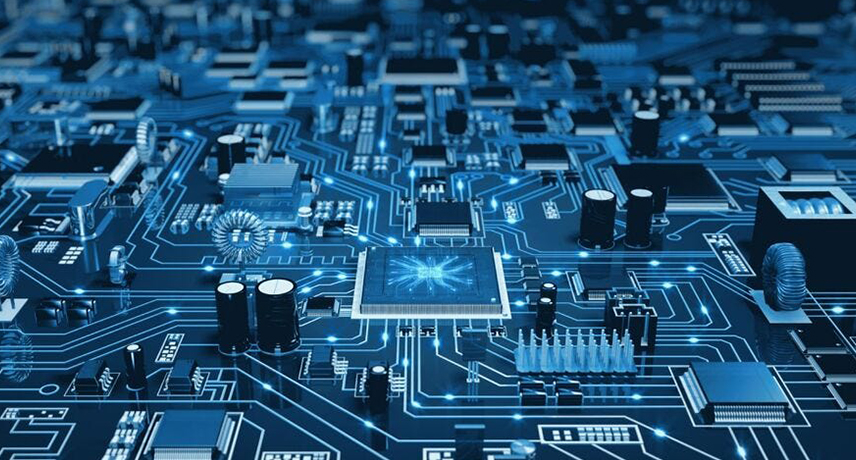
An embedded system is a specialized computer system designed to perform dedicated functions within a larger mechanical or electrical system. Unlike general-purpose computers such as desktops or laptops, embedded systems are typically optimized for specific tasks with constraints on size, power consumption, cost, and real-time performance. They consist of a microcontroller or microprocessor, memory, input/output peripherals, and often run on firmware or a lightweight real-time operating system (RTOS). These systems are deeply integrated into their environment and usually operate without direct human intervention.
Embedded systems are ubiquitous in modern life, powering a wide range of devices across industries. They are found in consumer electronics (smartphones, smart TVs, washing machines), automotive systems (ABS, engine control units, infotainment), medical devices (pacemakers, insulin pumps), industrial automation (robotics, PLCs), and aerospace applications. Their importance lies in enabling efficiency, reliability, and intelligence in products while keeping them compact and energy-efficient. As the Internet of Things (IoT) expands, embedded systems form the backbone of connected smart devices.
The design of embedded systems involves several key challenges, including real-time constraints, resource limitations, reliability under harsh conditions, and security. Engineers must balance hardware and software optimization, often using languages like C and C++ for development. With advancements in AI and edge computing, modern embedded systems are becoming more intelligent, capable of on-device machine learning and autonomous decision-making.
Key Points on Embedded Systems
- Dedicated Functionality: Built to perform one or a few specific tasks rather than multiple general tasks.
- Real-Time Operation: Many systems require deterministic responses within strict time deadlines (hard or soft real-time).
- Resource Constraints: Limited memory (RAM/ROM), low power consumption, and compact form factor.
- Components: Typically include microcontroller (MCU), sensors, actuators, communication interfaces (UART, I2C, SPI, CAN, Ethernet, etc.).
- Programming: Mostly developed in C/C++, Assembly, and increasingly in Rust or Python for higher-level applications.